Mohamed Alabbar unveils up to $17bn Syria investment plans as Emaar reveals $40.8bn property backlog
Mohamed Alabbar reveals $17bn Syria investment plans, Emaar property sales and new Dubai skyscraper ambitions.
Mohamed Alabbar reveals plans to invest up to $17bn in Syria, discusses Emaar’s $40.8bn sales backlog and outlines plans for a potential new Dubai skyscraper
Mohamed Alabbar, Founder and Managing Director of Emaar Properties, has unveiled plans to invest between $16bn and $17bn in Syria, while revealing new figures on Emaar’s Dubai property sales, buyer cancellations and plans for a potential new iconic building.
Speaking at RISE Summit 2026 at the Dubai World Trade Centre, Alabbar said Syria offered substantial long-term investment opportunities despite economic and geopolitical challenges.
He also revealed that Emaar’s real estate sales backlog stands at approximately AED150bn ($40.84bn), while property purchase cancellations have fallen to fewer than 600 after doubling during a period of regional tensions.
Alabbar discussed the developments during a session titled “Building Through the Cycle”, moderated by CNBC Anchor and Correspondent Dan Murphy.
Mohamed Alabbar reveals up to $17bn Syria investment plans
Alabbar said planned real estate and tourism investments in Syria would range between $16bn and $17bn.
He highlighted the country’s natural and human resources, including agricultural land, water, oil, gas and local expertise, as foundations for long-term development. Following a recent visit to Syria, Alabbar expressed confidence in the investment opportunities he had examined and praised the cooperation and competence of officials he encountered.
He stressed that investment decisions must be supported by feasibility studies and clear commercial considerations while contributing to employment, business development, local economic activity and government revenues.
Major development projects could extend over 20 years, he said, making sustainable relationships with local communities, transparency and social responsibility essential.
Alabbar also emphasised that UAE companies investing internationally have a responsibility to contribute to economic development and improve quality of life in the markets where they operate.
Emaar property cancellations fall
Turning to Dubai’s property market, Alabbar revealed that Emaar’s real estate sales backlog stands at approximately AED150bn ($40.84bn). He said the company typically sells around 4,000 property units each month.
Property purchase cancellations, which stood at approximately 600 units in 2025, increased to 1,200 during the period of regional tensions before falling to fewer than 600 currently.
Alabbar described the subsequent decline as a sign of improving buyer confidence and resilient demand. Although current property sales remain below previous levels, he said the broader market trend remained positive.
He also reported that buyers continued to meet their payment obligations at levels comparable to 2025, and in some respects better.
Regular payment collections, he explained, were among the most reliable indicators of property market strength.
Why Emaar refuses to offer property discounts
Alabbar said Emaar does not offer discounts or change payment terms during slower market periods, arguing that consistent pricing protects existing customers.
He explained that offering substantial discounts to new buyers could disadvantage those who had already purchased properties at full price.
Some developers, he said, resort to significant discounts to manage cash flow and meet financial obligations, particularly when carrying high debt levels.
He cited the example of a 30 per cent discount being offered to a new buyer in a building where existing purchasers had already paid the full price.
Alabbar maintained that Dubai and UAE property prices remained competitive against international markets including London, Singapore, Chicago and Mumbai. He said meaningful comparisons should consider price per square metre, location and individual project characteristics rather than broad market averages.
He also cautioned against assuming Dubai developers enjoyed the world’s highest profit margins, noting that construction costs, selling prices and transaction volumes varied significantly between markets.
Emaar completes design for potential new Dubai building
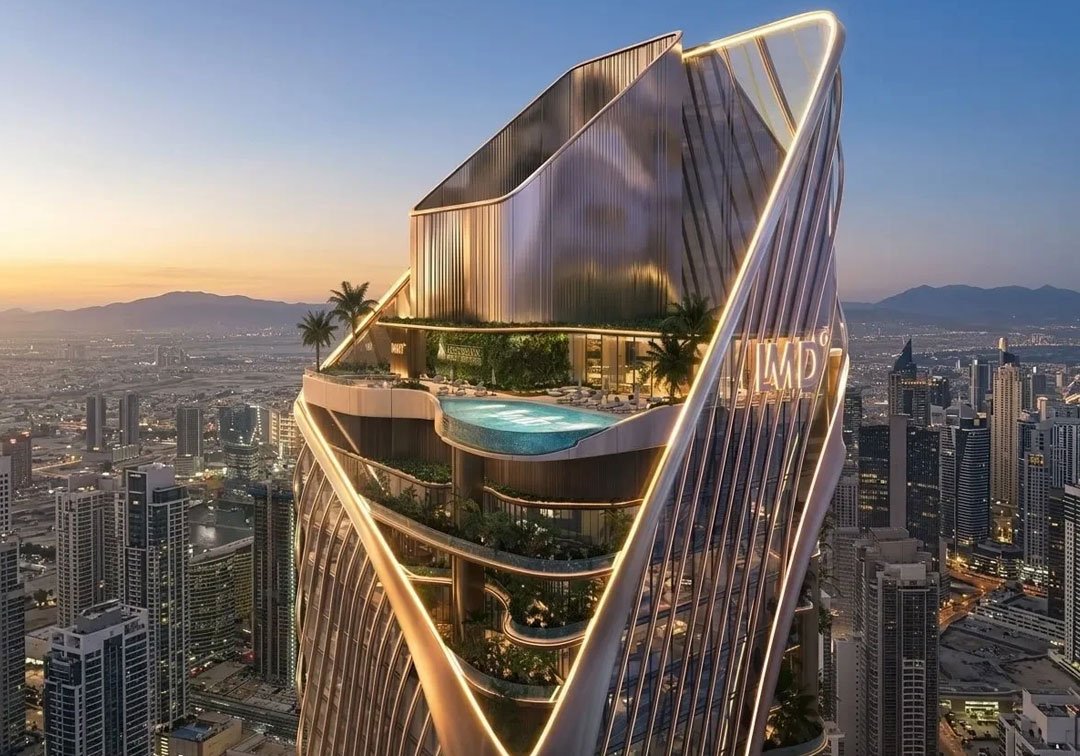
Alabbar also revealed that Emaar has completed a design for a distinctive new building.
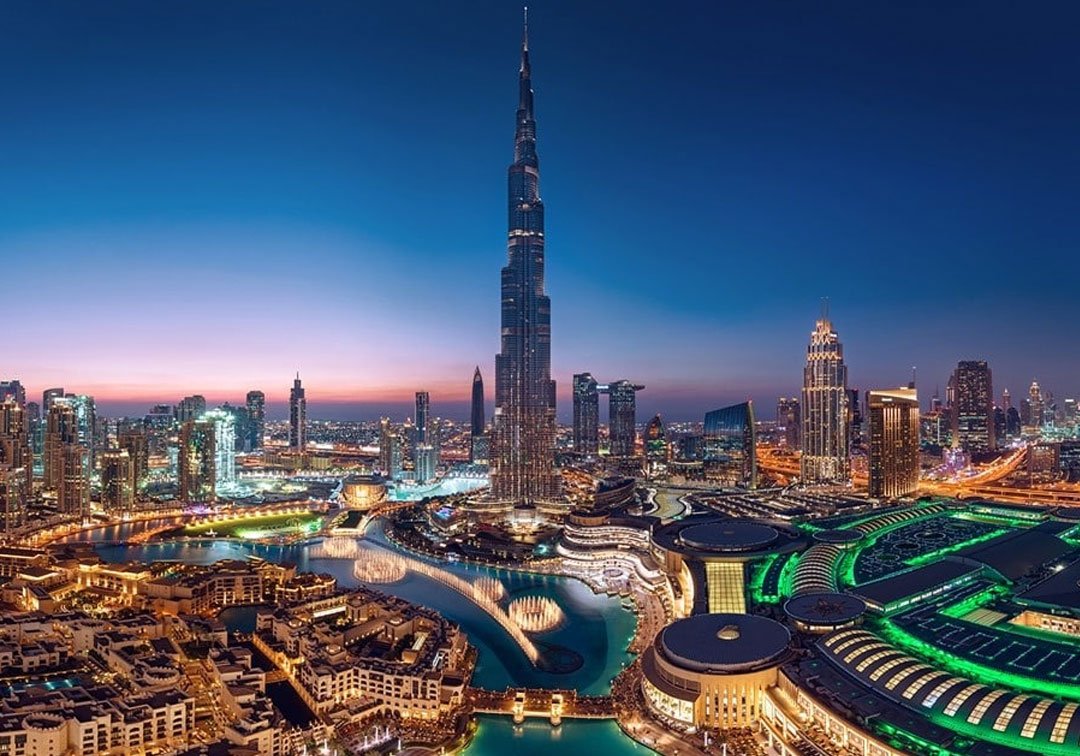
Responding to a question about the possibility of developing another skyscraper comparable to Burj Khalifa, he said the company was awaiting improvements in conditions affecting logistics, ports and supply chains before proceeding.
He did not disclose the proposed building’s height, location, cost or construction timetable.
The disclosure comes as Alabbar continues to assess how technological developments could reshape the construction industry.
He cited an example of a 15-storey building constructed in 12 days using automated construction methods and robotics.
According to figures presented during the session, the building achieved a 100 per cent improvement in energy efficiency and four times the earthquake resistance of conventional buildings.
Alabbar said such advances could accelerate construction and improve efficiency, although human expertise would remain essential for supervision and operational management.
Alabbar warns companies over AI adoption
Alabbar warned that businesses failing to integrate artificial intelligence deeply into their operations within the next 12 months could quickly fall behind competitors.
He said AI was transforming retail, manufacturing and real estate through improvements in data analysis, forecasting, decision-making and customer services.
His experience with Noon, he explained, had deepened his understanding of modern technology and its impact on business operations.
Alabbar revealed that specialist AI engineers had joined a new team involved in development activities, while identifying the recruitment of professionals capable of designing and operating AI agents as a major challenge.
He also said he uses the Dots application in his daily work.
Despite the pace of technological change, Alabbar stressed that human expertise remained essential and that employees would need to develop new skills to work effectively alongside intelligent systems.
UAE businesses prepare for changing market conditions
In hospitality, Alabbar said occupancy rates had improved to between 60 and 65 per cent, describing the levels as favourable under current conditions.
He noted that companies had benefited from growth rates of 20 to 30 per cent over the previous four years, allowing them to build reserves to withstand slower economic periods.
He also highlighted more than 200,000 daily deliveries across the commercial activities he discussed, describing their continuity as evidence of logistics efficiency and consumer activity.
Digital platforms, he said, provide businesses with real-time information about customer numbers, purchasing patterns and consumption, supporting faster operational decisions.
Alabbar pointed to the UAE’s experience during the 2008 global financial crisis and the COVID-19 pandemic as examples of economic resilience.
He said financial discipline, the banking system and continuity of services and commercial activity were important foundations for managing periods of uncertainty.
Looking ahead, Alabbar emphasised that long-term planning, investment in technology, workforce development and maintaining customer confidence would remain central to sustainable business growth.
Credits & Disclaimer: This article are credited to the Associated Press, it's authors and editors. Likewise, the images are for illustration purposes only and credited all to their respective owners. The accuracy of the article is subject from the information grabbed from the sources at the time of posting this article.